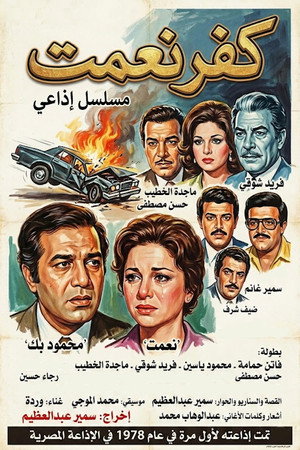

Faten Hamama
Biyografi
Faten Hamama (May 27, 1931 - January 17, 2015) was an Egyptian actress and producer. Dubbed "The Lady of the Arabic Screen", she was born in El Mansoura, Egypt. Her legendary journey started as a secret statement between a six-year-old girl and her father after they watched a film in their neighborhood theater, at which leading actress and producer Asya Dagher was present. Faten told her father that she felt the audience was applauding her as the leading actress, and her father hugged her with a vision of helping his daughter become a movie star. She won a contest for the most beautiful child in Egypt, and her dad sent her picture to director Muhammad Karim (a pioneer of Egyptian cinema). Karim was looking for a child for his new film with Egyptian musician Mohamed Abdel Wahab. Faten auditioned for and got a role in this movie, Yom said (1940) ("A Happy Day"). She impressed the filmmakers so much during shooting that she was actually given more lines and scenes in the picture than were scripted initially for her. Karim put her under contract, and four years later he gave her a role in a film with Mohamed Abdel Wahab again, Russassa fil Kalb (1944) ("A Bullet in the Heart"). With her third movie with Karim, Dunia (1946), Faten showed filmmakers and audiences alike that she was an actress ready for bigger roles. Her father, along with her family, moved to Cairo to help her in her career. She also began studying her craft at the High Institute of Acting in 1946. Faten left Egypt from 1966-1971 because she resisted the political pressure that was applied to her. She divided her time between Lebanon and London, England. During this period Egyptian President Gamal Abdel Nasser asked some prominent critics and writers to try to persuade her to return to Egypt, saying that "Faten Hamama is a national treasure". Her return to Egypt in 1971 breathed life back into Egyptian cinema. She insisted that her films reflect the values of society through family relationships. Her first film upon return was Witch (a short film) with Salah Zulfikar. Her role in Emberatoriet Meem (1972) ("Empire M") as a widow with six children and the struggles she endured to raise them made the film a success both critically and financially, and she earned a special award from an organization in the Soviet Union when the film was shown at the Moscow International Film Festival. Her film Orid Hallan (1975) ("I Need a Solution") which was produced by Salah Zulfikar was not only a big hit but resulted in changes to Egyptian marriage and divorce laws. Faten Hamama is the fourth Pyramid in Egyptian cinema, a legend in her platinum anniversary, the diamond that remained shining and kept glowing over the decades on the silver screen.
Filmografi (Rol Aldığı Yapımlar)

كأس العذاب

بيومي أفندي

دنيا

عائشة

اليتيمتين
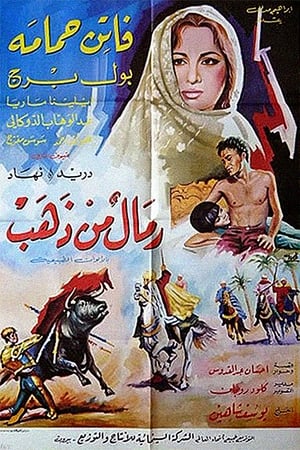
رمال من ذهب

دايماً معاك

ارحم دموعي
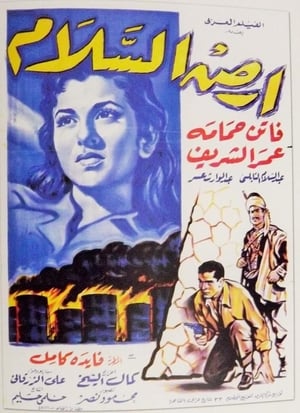
أرض السلام

بيت النمل

الزهور الفاتنة

ست البيت

كل بيت له راجل

سلوا قلبي

لك يوم يا ظالم

ظلموني الناس

زمن العجائب

لن اعترف

عبيد المال
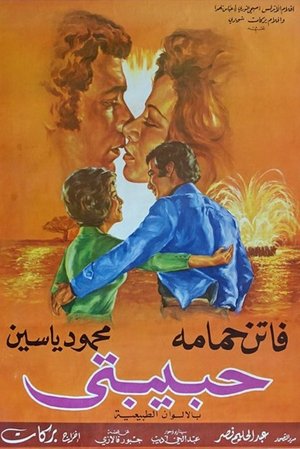
حبيبتى

حب في الظلام

موعد مع السعادة

ضمير أبلة حكمت

Cinépanorama

El tarik el masdud

الملاك الظالم

رصاصة فى القلب

لن أبكي أبدا

طريق الأمل
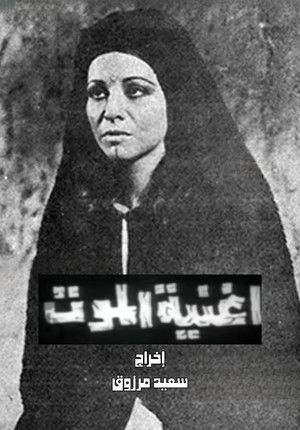
أغنية الموت

أثار في الرمال
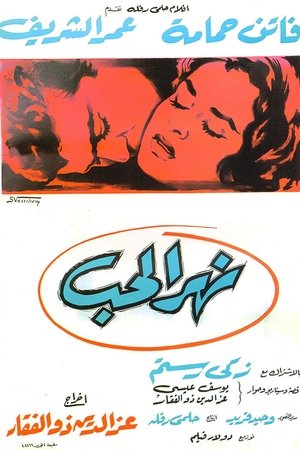
نهر الحب

أسرار الناس

يوم سعيد

بين الأطلال
ساحرة

دعاء الكروان

الحرام

لا تطفئ الشمس

المنزل رقم ١٣
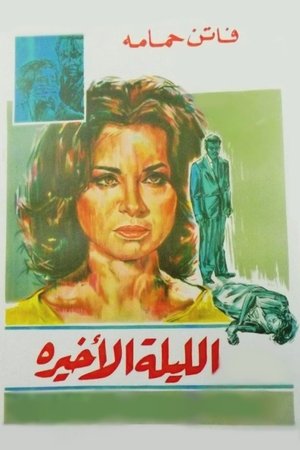
الليلة الأخيرة

ملاك الرحمة
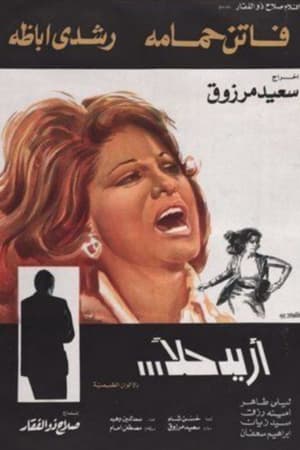
أريد حلاً
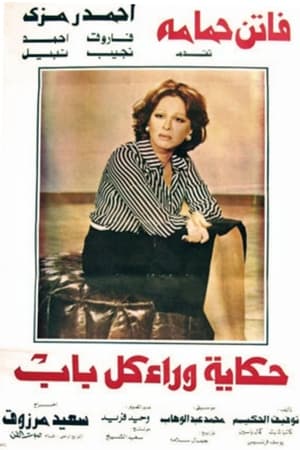
حكاية وراء كل باب

أيامنا الحلوة
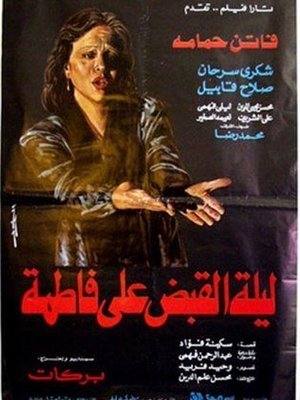
ليلة القبض على فاطمة

ابن النيل
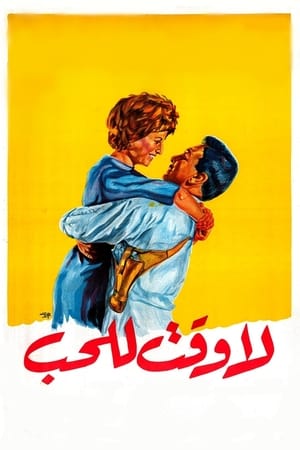
لا وقت للحب

أنا الماضي

Orphans' money

زي عود الكبريت

أنا بنت ناس

أفواه وأرانب

أبو زيد الهلالي
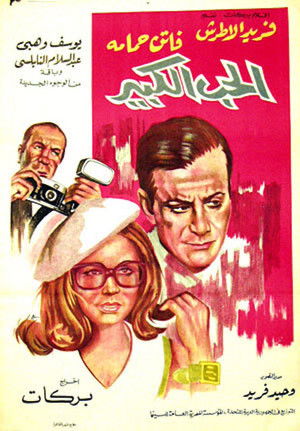
الحب الكبير

المعجزة

الله معنا

المهرج الكبير

حكاية العمر كله

القلب له أحكام

أريد هذا الرجل

نحو المجد

صراع في الوادي

سيدة القصر

أرض الأحلام

الخيط الرفيع

موعد غرام
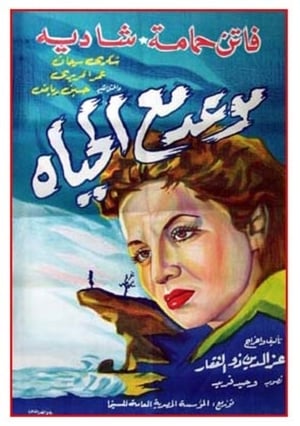
موعد مع الحياة

صراع في الميناء

الباب المفتوح

امبراطورية ميم

يوم مر.. يوم حلو
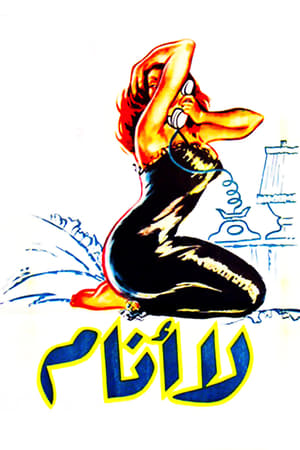
لا أنام

بابا أمين

الأستاذة فاطمة

حب ودموع

Shadow of Treason

Cairo

لحن الخلود
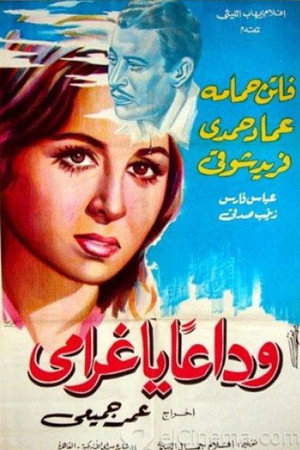
وداعًا يا غرامي

أشكى لمين

اخلاق للبيع

خلود

قلوب الناس

ملائكة في جهنم

كرسي الإعتراف
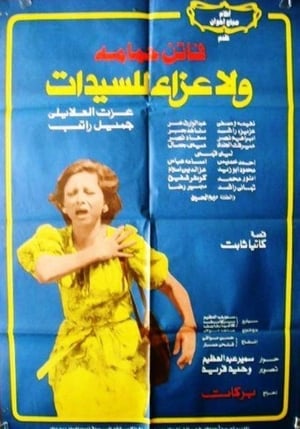
ولا عزاء للسيدات
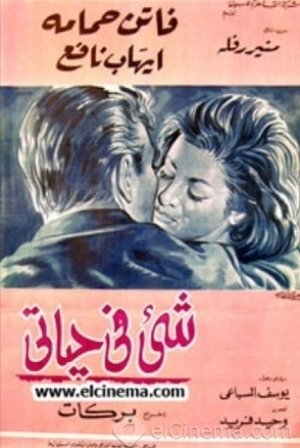
شيء في حياتي
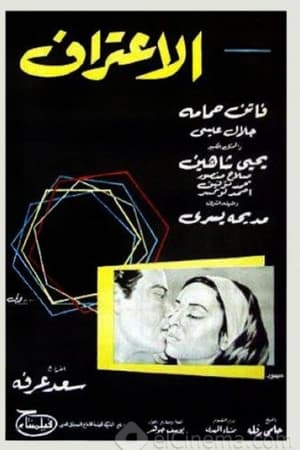
الاعتراف
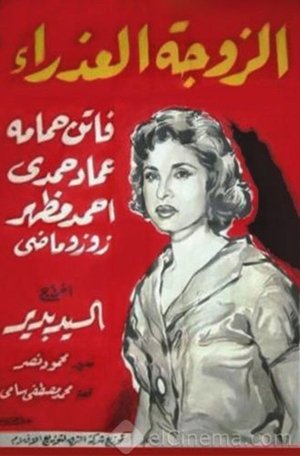
الزوجة العذراء

حتى نلتقي

العقاب

حياة حائرة

القناع الأحمر

أول الشهر

بعد الوداع

كانت ملاكا

الملاك الأبيض

الهانم

نور من السماء
الحلقة المفقودة

المليونيرة الصغيرة