
Manoel de Oliveira
Biyografi
Manoel de Oliveira (11 December 1908 - 2 April 2015) was born in Porto, Portugal to Francisco José de Oliveira and Cândida Ferreira Pinto. His family were wealthy industrialists. Oliveira attended school in Galicia, Spain and his goal as a teenager was to become an actor. He enrolled in Italian film-maker Rino Lupo's acting school at age 20, but later changed his mind when he saw Walther Ruttmann's documentary Berlin: Symphony of a City. This prompted him to direct his first film, also a documentary, titledDouro, Faina Fluvial (1931). He also acted in the second Portuguese sound film, A Canção de Lisboa (1933). His first feature film came much later, in 1942. Aniki-Bóbó, a portrait of Oporto's street children, was a commercial failure when it opened, and its merit only came to be recognised over time. This drawback forced Oliveira to abandon other film projects he was involved in, and to dedicate himself to running his family vineyard. He re-emerged onto the film scene in 1956 with The Artist and the City, a work that marked a turning point in Oliveira's conception of the cinema. In 1963, O Acto de Primavera (The Rite of Spring), a documentary depicting an annual passion play, marked a turning point for his career. This was shortly followed by A caça (The Hunt), a grim feature film that contrasted with the happy tones of his previous documentary. Despite the widespread acclaim garnered by both films, he would not return to the director's seat until the 1970s. Since 1990 (when he turned 82), he has made at least one film each year. Oliveira has said that he direct movies for the sheer pleasure of doing it, regardless of critical reaction. He maintains a quiet life away from the spotlights, despite multiple honours such as those of the Cannes, Venice and Montreal film festivals. He has been awarded two Career Golden Lions in 1985 and 2004 and a golden palm for his lifetime achievements in 2008.
Filmografi (Rol Aldığı Yapımlar)

101

A Canção de Lisboa

Fátima Milagrosa

Zona+
Marcello Mastroianni - Mi ricordo, sì, io mi ricordo

Agnès de ci de là Varda

Le Soulier de satin
Anılar ve İtiraflar

Benilde ou a Virgem Mãe
Lizbon Hikâyesi
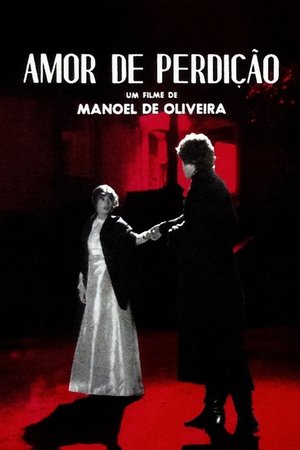
Amor de Perdição
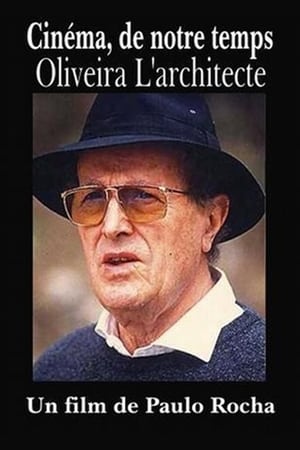
Oliveira, l'architecte
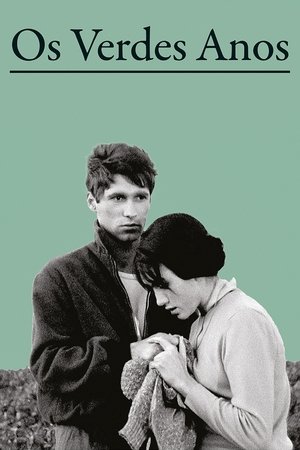
Os Verdes Anos
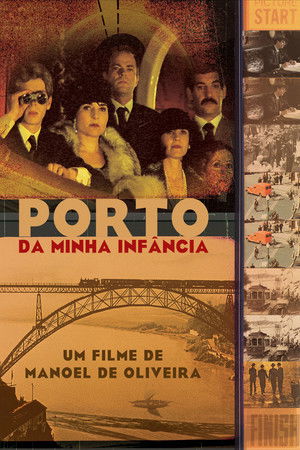
Porto da Minha Infância
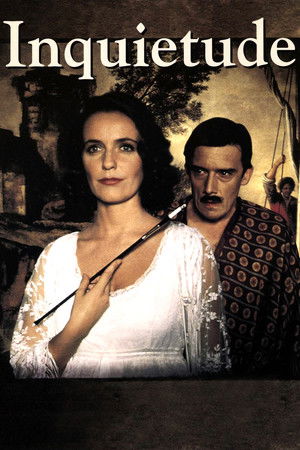
Inquietude
Amor de Perdição

Viagem ao Princípio do Mundo
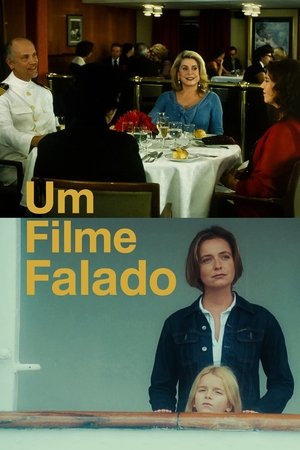
Um Filme Falado
A Divina Comédia
A 15ª Pedra

Conversa Acabada

Agnès de ci de là Varda
Non, ou a Vã Glória de Mandar

A Glória de Fazer Cinema em Portugal

HH, Hitler à Hollywood
Guest

O Improvável Não é Impossível

Nice - À propos de Jean Vigo

Cristóvão Colombo - O Enigma
Henri Langlois vu par...
Ciné regards
Cinématon

En une poignée de mains amies
Agostinho da Silva - Um Pensamento Vivo
Manoel de Oliveira, O Caso Dele
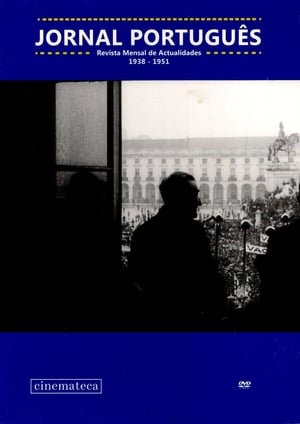
Jornal Português (1938-1951)
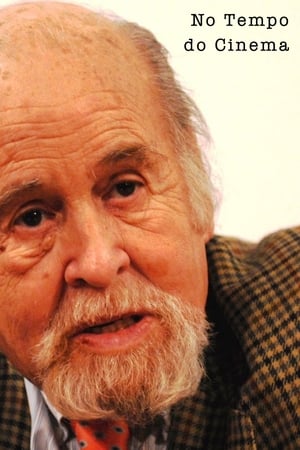
No Tempo do Cinema
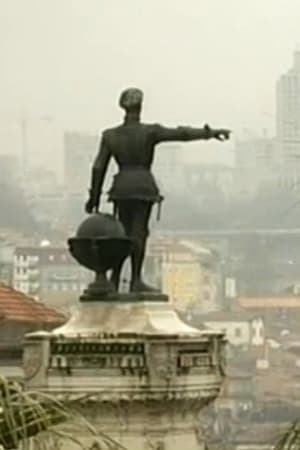
Conversazione a Porto
Sem Cura - à saúde de Manoel de Oliveira
Cinématon XI
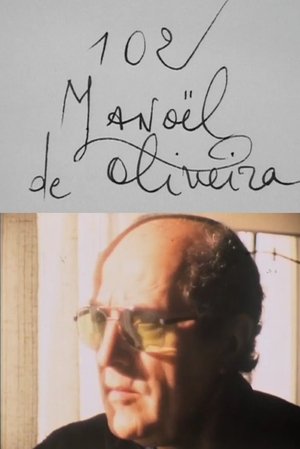
Cinématon n°102 : Manoel de Oliveira

Biette
Cinéma Portugais – Un Mode d'Emploi
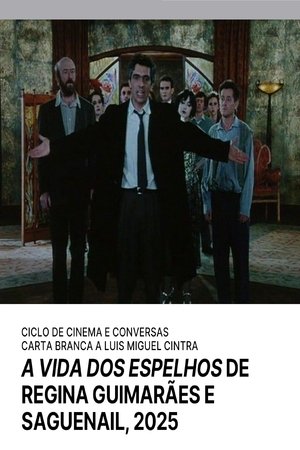
A Vida dos Espelhos

Já Está